
Our AETE 2026 Keynote Speakers
We are thrilled to present our keynote speakers for 2026!
Dr Joanna M.G. Souza-Fabjan
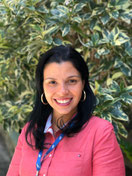
Joanna obtained a DSc degree from the Ceará State University, Brazil, and INRAE, France (cotutelle) in Veterinary Sciences. She is currently a Professor of Animal Reproduction at Universidade Federal Fluminense (UFF), in Niterói, Rio de Janeiro, Brazil, where she also serves as the Vice-Dean for Research. Her research focuses on reproductive biotechnologies in farm animals, primarily small ruminant species, and, more recently, on the domestic cat as a model for endangered felids. She is actively involved in national and international scientific societies and serves as an Associate Editor for different reproductive biology journals. She has authored more than 170 peer-reviewed publications and leads several funded research projects, maintaining active international collaborations in various countries.
Dr Souza-Fabjan will present a talk entitled "In vivo versus in vitro embryo production in small ruminants: strengths, limitations, and practical outcomes"
Dr Dawit Tesfaye

Dr Dawit Tesfaye is a Professor of Reproductive Biology in the Department of Biomedical Sceinces at Colorado State University. Dr. Tesfaye received his BSc in Animal Sciences from Haramaya University, Ethiopia, and his MSc and Ph.D. in Animal Science from the University of Bonn, Germany. He took a position of post-doctoral fellow at the same university in Animal Reproduction. Later in 2010 became a faculty member at the University of Bonn until he moved to the Colorado State University in 2019. Dr. Tesfaye’s research focuses on understanding the molecular mechanisms regulating early embryo development and survival under various environmental and physiological conditions. Especially Dr. Tesfaye is interested in the investigation of the NRF2-mediated oxidative stress response in bovine preimplantation embryos. Moreover, Dr. Tesfaye’s lab at CSU is investigating the role of extracellular vesicle mediated molecular signaling in oocyte/embryo-maternal communication. More recently, his lab at CSU is elucidating the potential of 3D organoid technology to understand the physiology of bovine oviduct and generate physiologically relevant oviductal factors to improve the outcome of ART in animal agriculture. Throughout his career Dr. Tesfaye has published over 200 peer-reviewed articles and deliver several talks in national and international conferences.
Dr Tesfaye's talk is entitled "Molecular and developmental consequences of heat stress on oocyte and embryo competence."
Dr Manuel Alvarez-Rodrigues
Dr. Álvarez-Rodríguez is a Tenured Scientist (Científico Titular) at the National Institute for Agricultural and Food Research and Technology (INIA-CSIC) in Madrid, Spain. His main research focuses on the molecular mechanisms of sperm signaling and capacitation, as well as male–female interactions, primarily in the porcine species but also across various comparative models of animal reproduction.
Dr Alvarez-Rodrigues's talk is entitled "Biomarkers of sperm fertility in boars"
Dr Niamh Forde
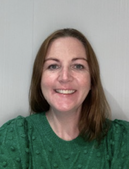
Niamh is Professor and Chair of Molecular Reproductive Biosciences, at the University of Edinburgh. Her group is focused on understanding the function of the uterine endometrium and what regulates early prgnancy and lifecourse health in mammalian. Some key questions we are aiming to answer currently are 1) What are the regulatory networks involved in implantation in mammals and how have they evolved, 2) How have the male and female systems evolved their interactions -specifically the role of microRNAs, and 3) How does heat stress associated with climate change impact on maternal and offspring health, and 4) What are the causal factors for heavy menstraul bleeding in humans. To help answer these questions we use comparative approaches, develop novel 3D in vitro tools, and use multi-omics including single cell/nuclei to understand fundamentally how both protein coding and non-coding parts of the genome regulate endometrial function for health, fertility, food production, and conservation.
Dr Forde will present her talk entitled "Modelling bovine implantation in vitro using uterine organoids"